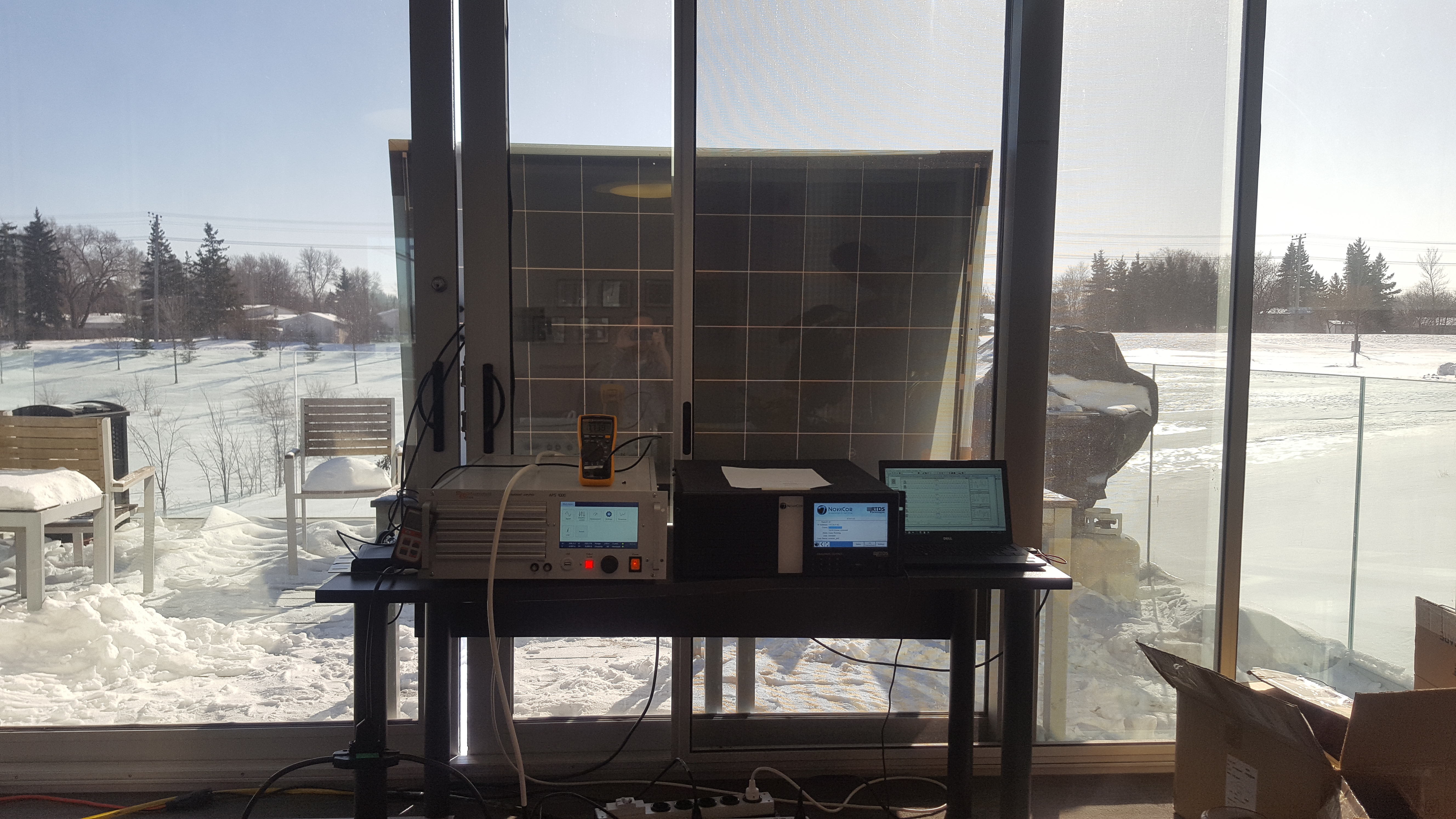
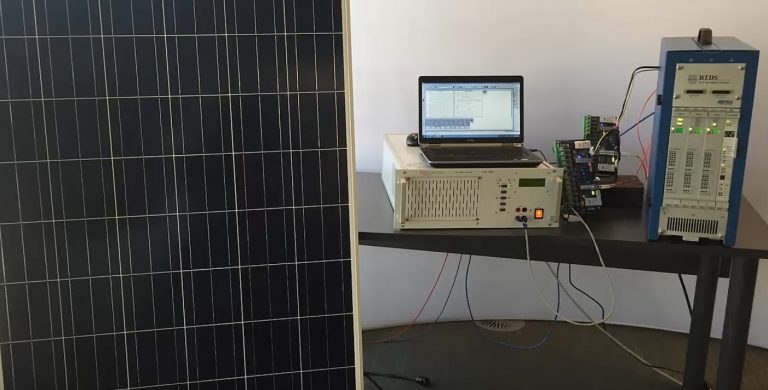
PHIL provides an unparalleled opportunity to characterize the behavior of power hardware prior to installation in the network
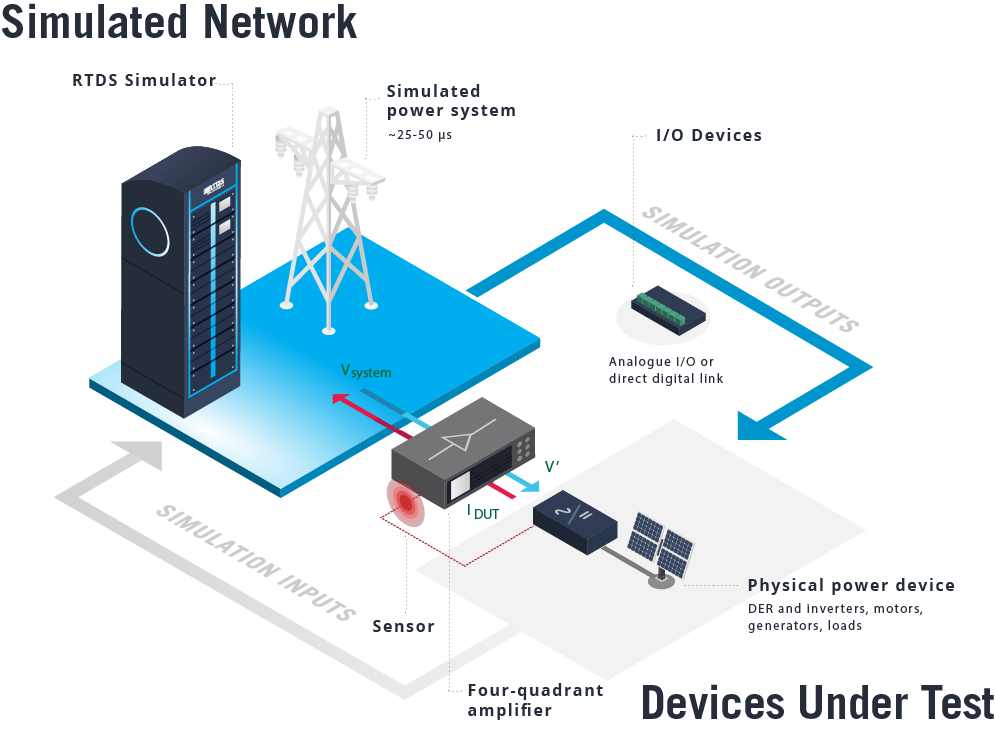
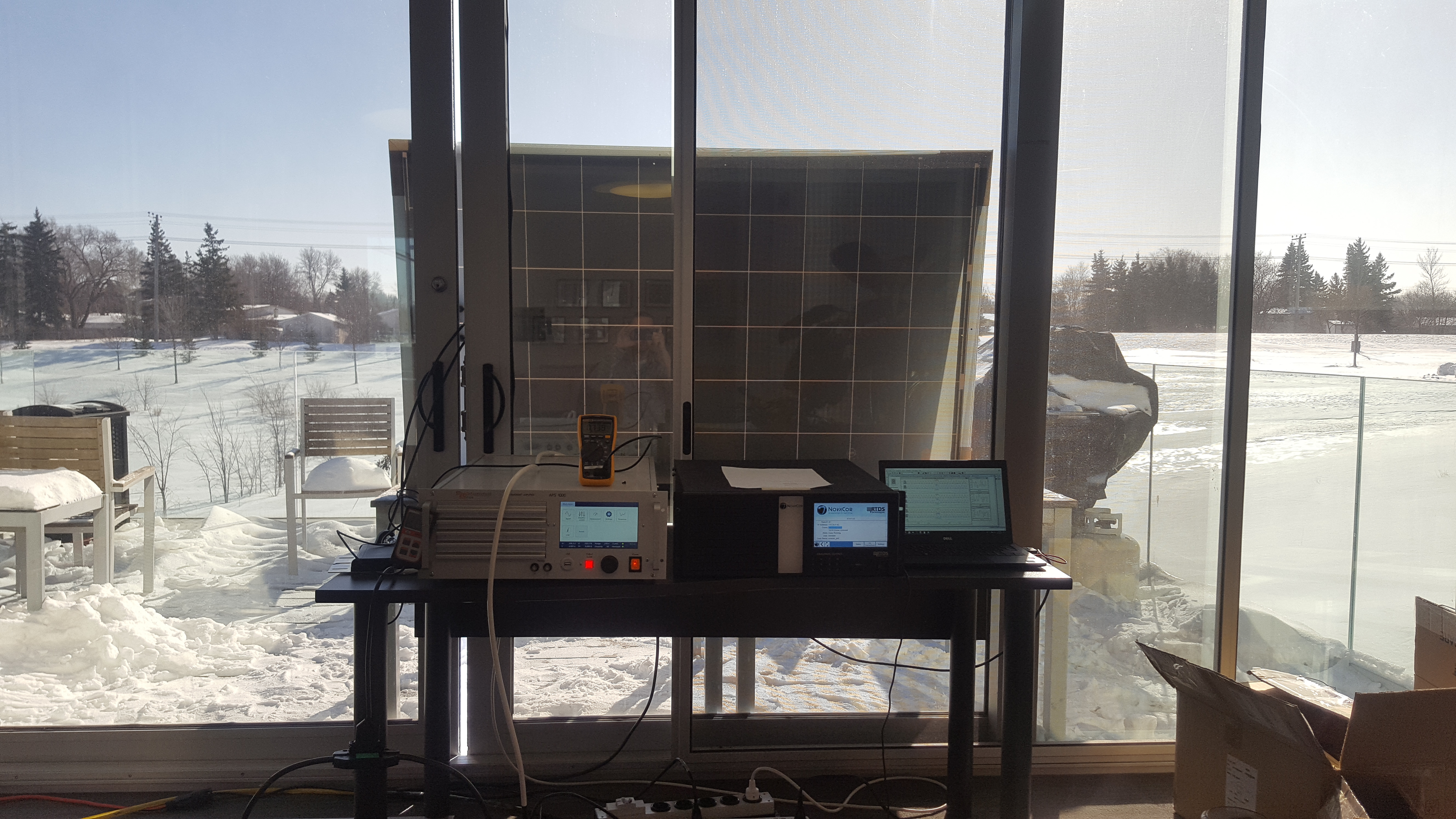
Power Hardware-in-the-Loop (PHIL) testing involves connecting real power hardware to the simulated network in a closed loop.
Using the RTDS Simulator for PHIL puts you at a technical advantage
User support and guidance for smoother experiment setup:
We have the strongest support program in the industry and are committed to equipping our users to build stable, valid PHIL simulations and interfaces. Users have access to a report detailing our in-house PHIL experiments, the amplifier selection process, interface methodology, stability, and delay.

Custom built PHIL models for a simpler, more stable interface
Complete your PHIL testbed with a four quadrant amplifier
PHIL requires a third-party four quadrant amplifier, which can both source and sink real and reactive power, to be placed between the real-time simulator and the power device being tested. There are many amplifiers available with varying power ratings, bandwidth, response time, harmonic distortion, and input/output impedances – the amplifier should be selected carefully based on the experimental requirements.
The RTDS Simulator has been successfully used alongside a large variety of four quadrant amplifiers.
Custom-built digital interfaces to PHIL amplifiers
RTDS Technologies has collaborated with manufacturers of four-quadrant amplifiers to develop custom-built digital interfaces via the Aurora protocol. Using a direct digital interface eliminates the need for analogue I/O cards in the PHIL interface, decreasing loop delays and increasing ease of use in PHIL work. A fibre cable is used to directly connect the central RTDS Simulator processing hardware to the amplifier.


DER inverter testing and characterization

High-credibility AC system behaviour studies

Electric ship propulsion motor testing